
Benefits of STRs
Short-term rentals (STRs) have long been part of Europe’s travel tradition — dating back to the 19th century, when travelers found lodging in private homes and guesthouses. In recent years, STRs have transformed from a niche segment into a cornerstone of modern tourism, fueled by changing traveler preferences and the rise of digital platforms that make booking and management easier than ever.
Today, STRs represent a vital pillar of the European tourism economy, accounting for 23% of the sector, contributing €149 billion to the EU’s GDP, generating €40 billion in tax revenue, and supporting over 2 million jobs.
Beyond their economic value, STRs offer unique social, cultural, and environmental benefits. They provide travelers and families with more diverse and flexible accommodation options; help families, hosts, and entrepreneurs generate income; support local communities and rural economies; and promote more sustainable use of existing housing stock.
The following sections highlight the wide-ranging benefits of STRs — from economic impact and job creation to housing revitalization, sustainability, and community development — showing why this dynamic sector is essential to Europe’s tourism and economic landscape.
Diverse and Inclusive Travel Options
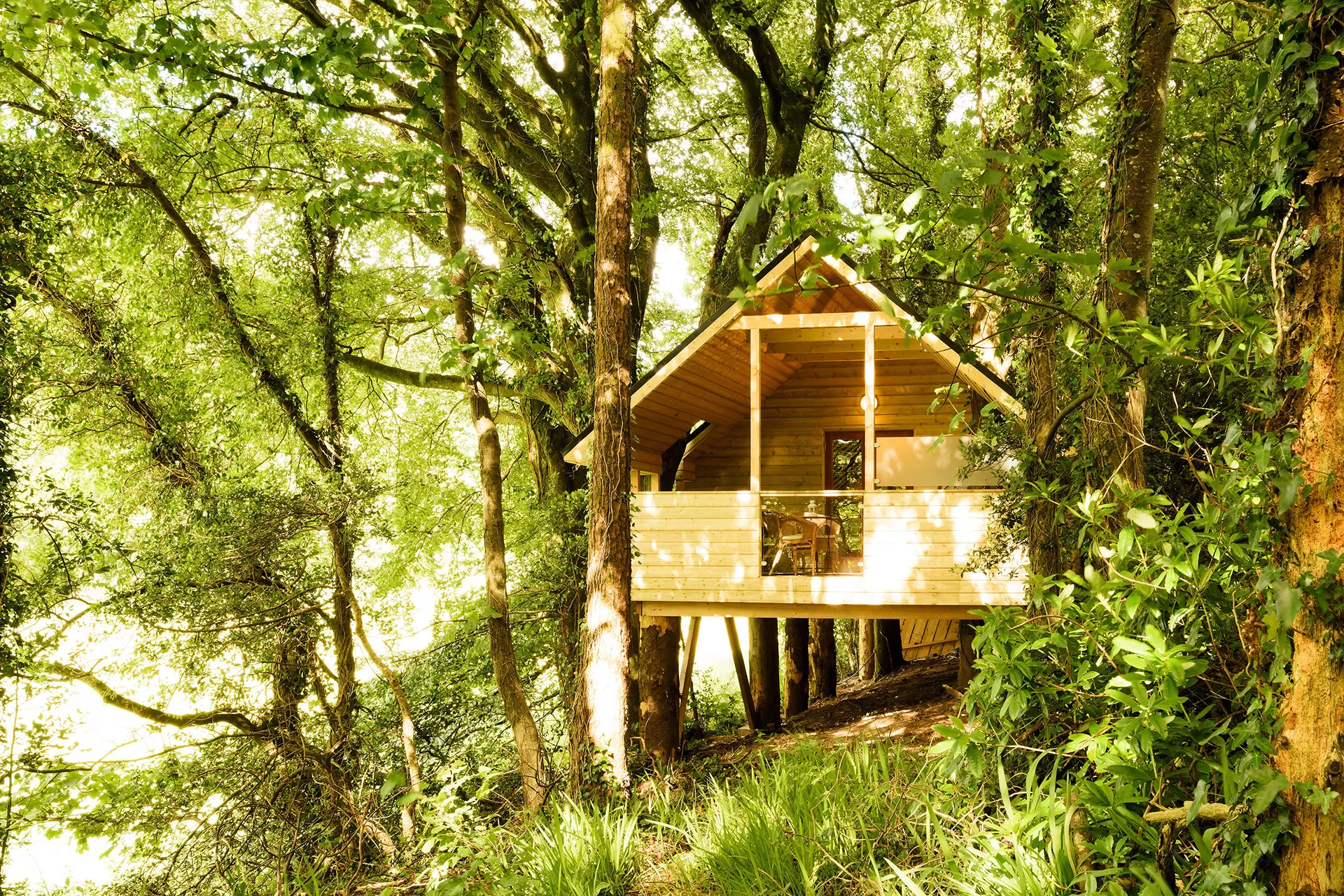
STRs offer travelers a wide variety of accommodation types — from private rooms to entire homes, villas, and unique stays like cottages or treehouses. This diversity makes travel more accessible and inclusive, accommodating students, families, seniors, and remote workers, and enabling intergenerational and pet-friendly travel experiences that traditional lodging often cannot match.

Economic Growth and Job Creation
STRs are a major driver of Europe’s tourism economy. In 2023, they supported 2.1 million jobs and generated €74 billion in wages, while contributing nearly €40 billion in tax revenues. The STR ecosystem sustains employment across a wide range of services — including cleaning, maintenance, hospitality, marketing, IT, and compliance — and fuels local businesses such as restaurants, shops, and cultural venues.
Community Impact and Regional Development
STRs stimulate local economies by spreading tourism beyond major cities into rural and less developed regions, supporting balanced and sustainable regional growth. Hosts and property owners reinvest their earnings into home maintenance, local services, and community infrastructure, creating a positive ripple effect across towns and villages.


Housing Revitalization and Urban Renewal
STRs help revitalize housing stock by enabling owners to renovate, maintain, and upgrade properties — including heritage buildings that might otherwise fall into disrepair. They activate underused or seasonally vacant homes (which are not fit for long-term rental), converting them into productive assets that generate income and accommodate temporary residents such as interns, seasonal workers, and digital nomads.
Resilience and Flexibility
STRs provide a flexible accommodation supply, helping cities manage seasonal peaks, large events, or emergencies without overbuilding permanent infrastructure. During the COVID-19 pandemic, STRs played a vital role in housing medical staff and essential workers, proving their adaptability and social value.

Sustainability and Environmental Benefits
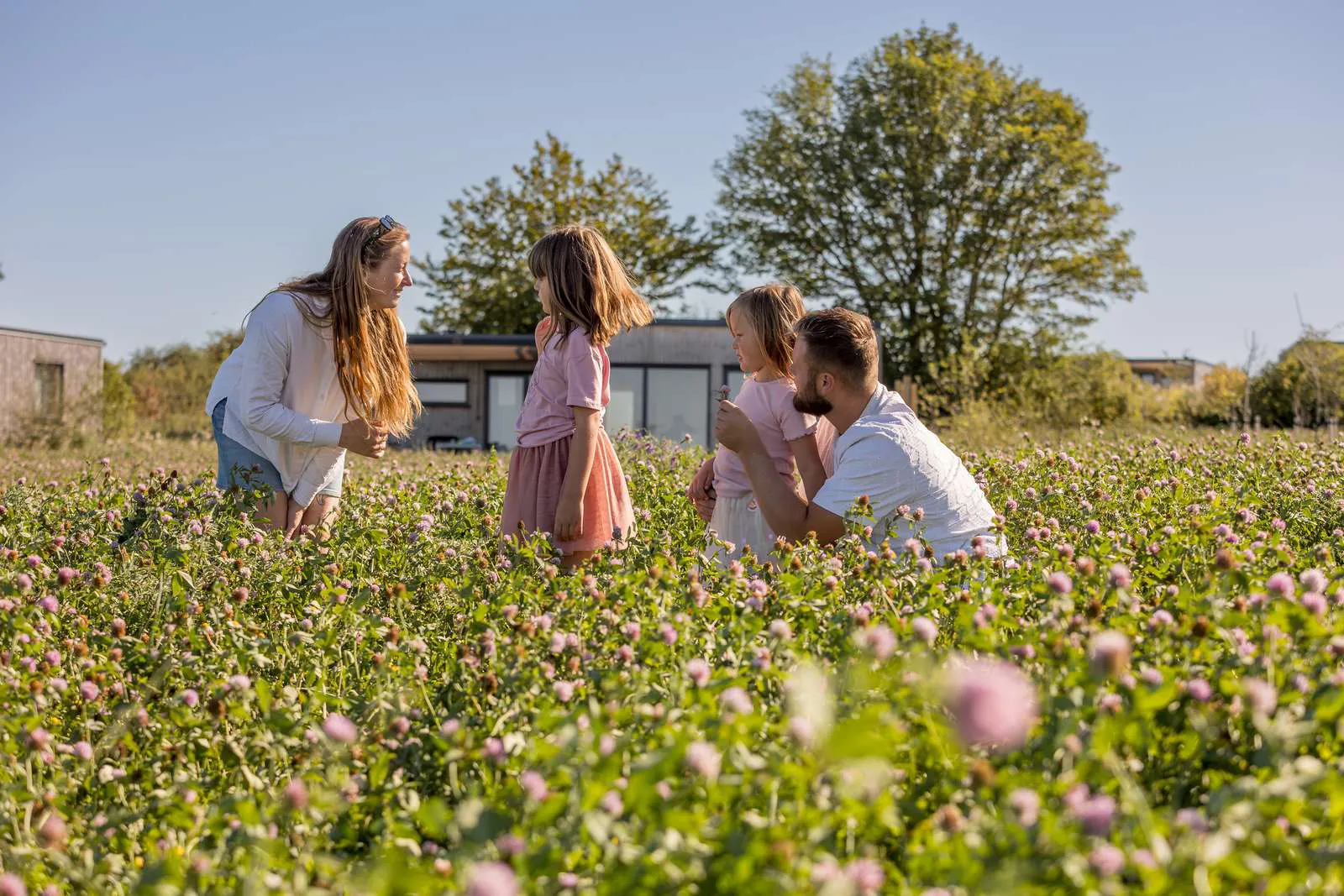
By utilizing existing housing stock and hosting only when in demand, STRs promote resource efficiency and reduce tourism’s environmental footprint. Many hosts adopt eco-friendly practices, from energy-efficient upgrades to waste reduction, helping advance Europe’s broader sustainability goals.
Household Stability and Social Benefits
For millions of European families, STRs provide a source of financial stability, helping cover mortgages, taxes, and rising living costs. They enable aging homeowners to remain in their homes longer and offer a safe, flexible income stream that enhances resilience in uncertain economic times.

A Positive Force in the Tourism Ecosystem
By combining economic value, social inclusion, and sustainability, short-term rentals form an essential part of Europe’s tourism and housing landscape. They create opportunities, strengthen communities, and help ensure tourism remains balanced, innovative, and beneficial for all.
Diverse and Inclusive Travel Options
STRs offer travelers a wide variety of accommodation types — from private rooms to entire homes, villas, and unique stays like cottages or treehouses. This diversity makes travel more accessible and inclusive, accommodating students, families, seniors, and remote workers, and enabling intergenerational and pet-friendly travel experiences that traditional lodging often cannot match.
Economic Growth and Job Creation
STRs are a major driver of Europe’s tourism economy. In 2023, they supported 2.1 million jobs and generated €74 billion in wages, while contributing nearly €40 billion in tax revenues. The STR ecosystem sustains employment across a wide range of services — including cleaning, maintenance, hospitality, marketing, IT, and compliance — and fuels local businesses such as restaurants, shops, and cultural venues.
Community Impact and Regional Development
STRs stimulate local economies by spreading tourism beyond major cities into rural and less developed regions, supporting balanced and sustainable regional growth. Hosts and property owners reinvest their earnings into home maintenance, local services, and community infrastructure, creating a positive ripple effect across towns and villages.

Housing Revitalization and Urban Renewal
STRs help revitalize housing stock by enabling owners to renovate, maintain, and upgrade properties — including heritage buildings that might otherwise fall into disrepair. They activate underused or seasonally vacant homes (which are not fit for long-term rental), converting them into productive assets that generate income and accommodate temporary residents such as interns, seasonal workers, and digital nomads.
Resilience and Flexibility
STRs provide a flexible accommodation supply, helping cities manage seasonal peaks, large events, or emergencies without overbuilding permanent infrastructure. During the COVID-19 pandemic, STRs played a vital role in housing medical staff and essential workers, proving their adaptability and social value.
Sustainability and Environmental Benefits
By utilizing existing housing stock and hosting only when in demand, STRs promote resource efficiency and reduce tourism’s environmental footprint. Many hosts adopt eco-friendly practices, from energy-efficient upgrades to waste reduction, helping advance Europe’s broader sustainability goals.
Household Stability and Social Benefits
For millions of European families, STRs provide a source of financial stability, helping cover mortgages, taxes, and rising living costs. They enable aging homeowners to remain in their homes longer and offer a safe, flexible income stream that enhances resilience in uncertain economic times.
A Positive Force in the Tourism Ecosystem
By combining economic value, social inclusion, and sustainability, short-term rentals form an essential part of Europe’s tourism and housing landscape. They create opportunities, strengthen communities, and help ensure tourism remains balanced, innovative, and beneficial for all.